
 EN
 CN
 ES
 AR
 FR
 PT
 RU
 KO
 JA
 DE




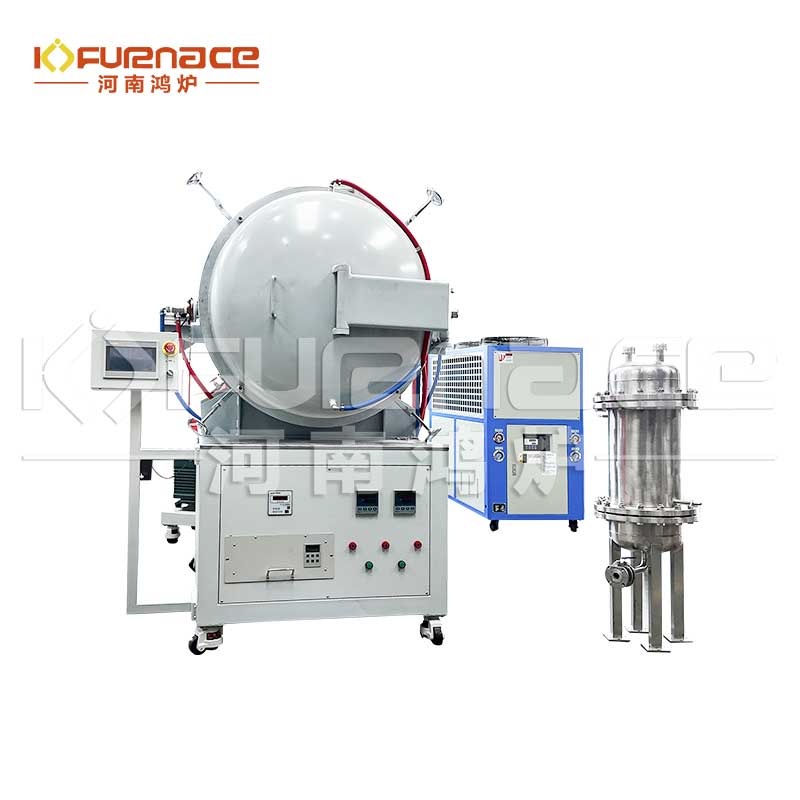
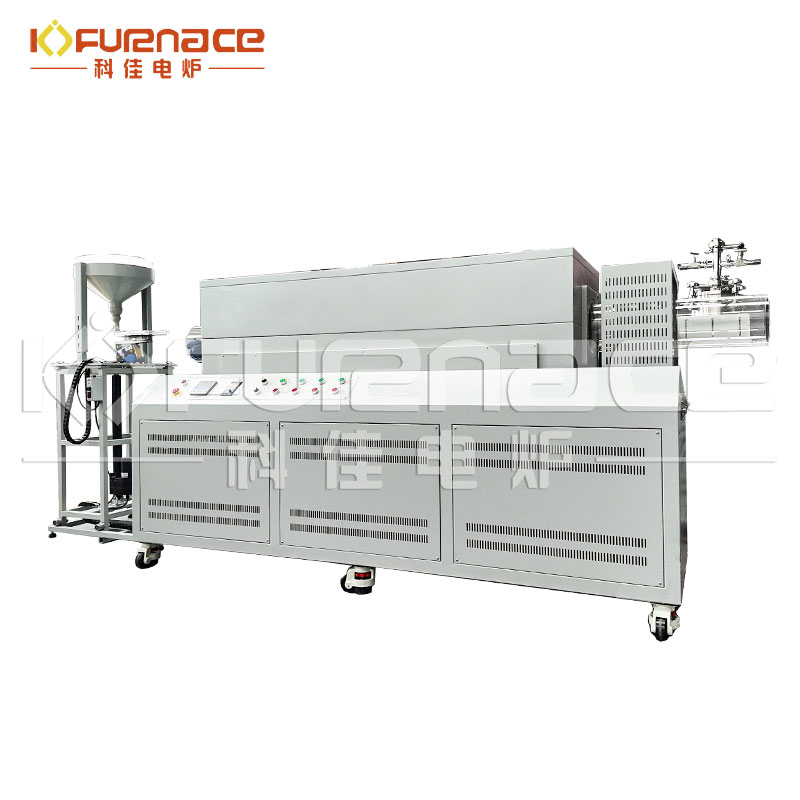
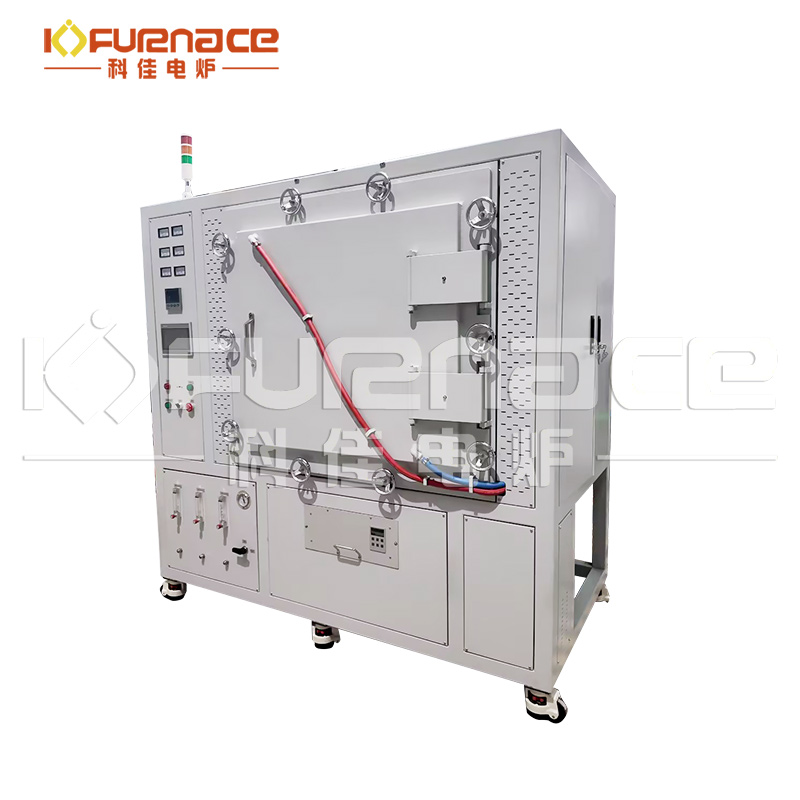
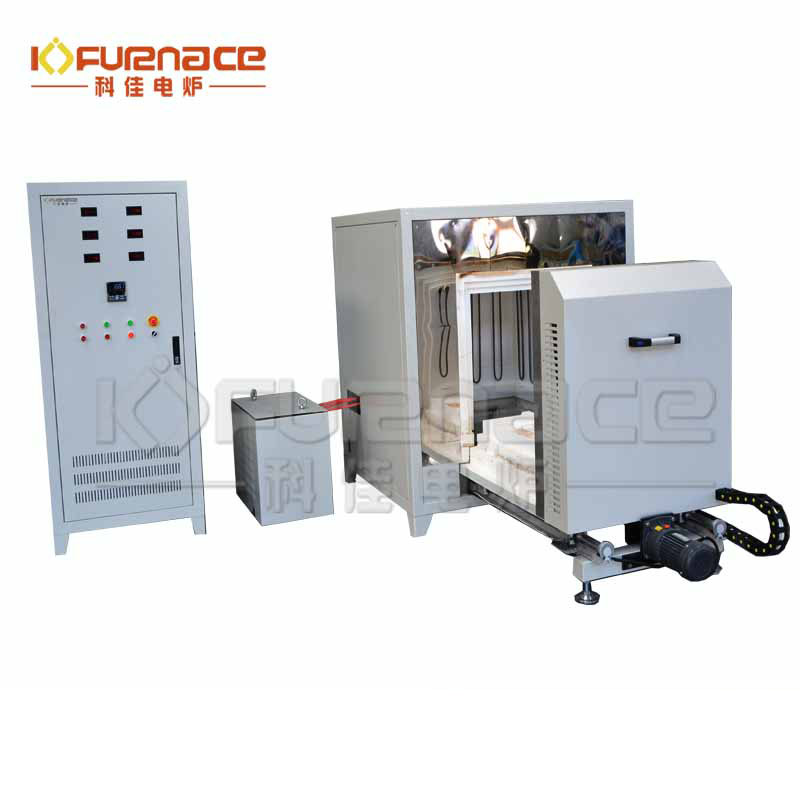
Crucible Furnace High-Temperature Melting and Sintering: Atmosphere Protection, Crucible Material Ma
Posted on:2026-10-27 15:08:15
1. Overview of Crucible Furnace High-Temperature Melting and Sintering
1.1 Process definition and furnace features
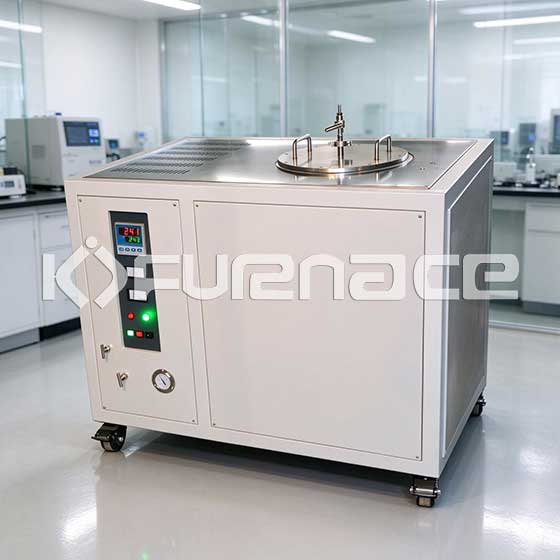
A crucible furnace uses the crucible as the container for the melt or material, completing melting, sintering or heat treatment of glass, metals, salts or ceramic precursors at high temperature with controlled atmosphere and easy batch processing.
The crucible furnace arranges heating elements around the crucible, which serves as both the material container and the reaction interface. It can be equipped with a vacuum system and atmosphere lines to protect and control the melting and sintering process. It is widely used for glass melting, metal and alloy melting, special ceramic sintering and small-batch heat treatment in laboratories.
1.2 Core dimensions of process control
Atmosphere protection, crucible material matching and loss control work together to determine product purity, crucible life and operating cost.
At high temperature the chemical attack of the melt on the crucible and the thermal-cycle loss are unavoidable. Correct atmosphere protection suppresses oxidation and component volatilization, matching the crucible material reduces melt contamination and crucible loss, and proper loading and ramp curves further extend crucible life and stabilize product quality.
In practice the process runs as a complete chain: load the material and select the crucible, establish the atmosphere by evacuation or backfilling, ramp to the melting or sintering temperature along the material curve, then cool and remove the part while checking crucible wear. Atmosphere and crucible material must be chosen together rather than independently.
2. Atmosphere Protection Methods and Selection
2.1 Vacuum protection
A vacuum prevents oxidation, exhausts gas and purifies the melt, suiting oxygen-sensitive or degassing high-purity materials.
Evacuation lowers the content of impurities and dissolved gas and prevents oxidation and gas pickup by the melt. For reactive metals, high-purity glass and electronic-grade materials, vacuum protection is a key route to high purity while also suppressing component volatilization.
2.2 Inert and reducing atmospheres
For easily oxidized or reduction-requiring systems, backfill with an inert gas such as argon or nitrogen, or a reducing atmosphere such as hydrogen or carbon monoxide.
An inert atmosphere isolates oxygen by gas displacement, suiting easily oxidized metals and salts; a reducing atmosphere reduces oxides and suppresses high-valence formation. Gas flow, purity and pressure should be set by material: excessive flow carries away heat, while too little leaves the part under-protected.
2.3 Interaction between atmosphere and crucible
The atmosphere type affects crucible life: an oxidizing atmosphere accelerates oxidation of graphite crucibles, while a reducing atmosphere may attack alumina crucibles.
The crucible material and atmosphere must match. Graphite crucibles should be used under vacuum or inert gas, and alumina crucibles should avoid strong reducing atmospheres. Choose after assessing the melt chemical activity, temperature and atmosphere conditions together.
3. Crucible Material Matching and Selection
3.1 Alumina crucible
Heat-resistant and electrically insulating, alumina suits most oxides and general melting systems and is the most common general-purpose crucible.
High-purity alumina crucibles combine good corrosion resistance and thermal stability with moderate cost, and are widely used for ceramics sintering and salt melting. However, their resistance to strong alkaline melts of alkali metals is limited, so the use temperature and loading must be controlled.
3.2 Quartz and graphite crucibles
Quartz crucibles are high-purity and translucent, suiting silicon-based and optical materials; graphite crucibles resist high temperature and melt corrosion, suiting metal melting and high-temperature sintering.
Quartz resists silicon and most acidic melts well but loses mechanical strength at high temperature. Graphite conducts heat and electricity, withstands very high temperatures and suits refractory metals and special alloys, but must be used under inert or vacuum conditions to prevent oxidation.
4. Loss Control and Service Life
4.1 Loss mechanism
Crucible loss mainly comes from chemical attack by the melt, thermal-cycle stress and mechanical impact; the hotter, the fuller the load and the more frequent the hot-cold cycling, the faster the wear.
Reactions at the melt-crucible interface form an erosion layer, repeated heating and cooling create thermal stress that causes cracking, and improper handling and slag sticking on the inner wall also accelerate loss. Loss directly affects product purity and operating cost.
4.2 Loss control measures
Control the maximum temperature, avoid overload and sudden heating or cooling, check the inner wall for slag and cracks regularly, and match the atmosphere and material to reduce erosion.
Set a reasonable ramp and cooling curve, leave crucible headroom, and clean stuck slag promptly to extend crucible life significantly. When necessary choose a more corrosion-resistant crucible material or lining, balancing purchase cost against service life.
5. Common Problems and Countermeasures
Most problems trace to insufficient atmosphere protection, material mismatch or aggressive thermal cycling, and each has a practical fix.
Oxidized melts with high impurities follow weak atmosphere protection or low vacuum; raise the vacuum and backfill with high-purity inert gas. Crucible cracking comes from sudden heating or cooling and concentrated thermal stress; program the ramp and avoid overload and quenching. Crucible corrosion or perforation results from a melt-crucible material mismatch; switch to a more corrosion-resistant material or lining and control the temperature. Product sticking and slag come from melt penetration or too high a temperature; choose a dense crucible and control the load and temperature.
6. Selection Guidance and Summary
6.1 Scenario-based selection
Select by melt nature, temperature, atmosphere and output: choose alumina for general oxides, quartz for silicon-based optical materials, and graphite for refractory metals and special alloys.
First clarify the material chemical activity and maximum temperature, then match the atmosphere and crucible material, and finally assess loss and life cost to form the optimal solution balancing purity, quality and operating cost.
6.2 Process optimization direction
Optimize the atmosphere-material-ramp curve with loss monitoring and crucible management to achieve high-purity, low-loss high-temperature melting and sintering.
Establish matching rules among crucible material, atmosphere and temperature, automatically control the ramp slope and gas flow, and check crucible loss and record life data regularly. This is the key to unlocking crucible furnace performance, stabilizing product quality and lowering manufacturing cost.
Zhengzhou KJ Technology Co., Ltd. is a high-tech enterprise specializing in R&D and sales of heat treatment products, including muffle furnaces, tube furnaces, vacuum furnaces and more, widely used in metallurgy, ceramic sintering, battery materials, semiconductors, aerospace and other fields.
For inquiries and customized solutions, contact us via WhatsApp: +86 18037178440 or Email: web@kejiafurnace.com.
1.1 Process definition and furnace features
A crucible furnace uses the crucible as the container for the melt or material, completing melting, sintering or heat treatment of glass, metals, salts or ceramic precursors at high temperature with controlled atmosphere and easy batch processing.
The crucible furnace arranges heating elements around the crucible, which serves as both the material container and the reaction interface. It can be equipped with a vacuum system and atmosphere lines to protect and control the melting and sintering process. It is widely used for glass melting, metal and alloy melting, special ceramic sintering and small-batch heat treatment in laboratories.
1.2 Core dimensions of process control
Atmosphere protection, crucible material matching and loss control work together to determine product purity, crucible life and operating cost.
At high temperature the chemical attack of the melt on the crucible and the thermal-cycle loss are unavoidable. Correct atmosphere protection suppresses oxidation and component volatilization, matching the crucible material reduces melt contamination and crucible loss, and proper loading and ramp curves further extend crucible life and stabilize product quality.
In practice the process runs as a complete chain: load the material and select the crucible, establish the atmosphere by evacuation or backfilling, ramp to the melting or sintering temperature along the material curve, then cool and remove the part while checking crucible wear. Atmosphere and crucible material must be chosen together rather than independently.
2. Atmosphere Protection Methods and Selection
2.1 Vacuum protection
A vacuum prevents oxidation, exhausts gas and purifies the melt, suiting oxygen-sensitive or degassing high-purity materials.
Evacuation lowers the content of impurities and dissolved gas and prevents oxidation and gas pickup by the melt. For reactive metals, high-purity glass and electronic-grade materials, vacuum protection is a key route to high purity while also suppressing component volatilization.
2.2 Inert and reducing atmospheres
For easily oxidized or reduction-requiring systems, backfill with an inert gas such as argon or nitrogen, or a reducing atmosphere such as hydrogen or carbon monoxide.
An inert atmosphere isolates oxygen by gas displacement, suiting easily oxidized metals and salts; a reducing atmosphere reduces oxides and suppresses high-valence formation. Gas flow, purity and pressure should be set by material: excessive flow carries away heat, while too little leaves the part under-protected.
2.3 Interaction between atmosphere and crucible
The atmosphere type affects crucible life: an oxidizing atmosphere accelerates oxidation of graphite crucibles, while a reducing atmosphere may attack alumina crucibles.
The crucible material and atmosphere must match. Graphite crucibles should be used under vacuum or inert gas, and alumina crucibles should avoid strong reducing atmospheres. Choose after assessing the melt chemical activity, temperature and atmosphere conditions together.
3. Crucible Material Matching and Selection
3.1 Alumina crucible
Heat-resistant and electrically insulating, alumina suits most oxides and general melting systems and is the most common general-purpose crucible.
High-purity alumina crucibles combine good corrosion resistance and thermal stability with moderate cost, and are widely used for ceramics sintering and salt melting. However, their resistance to strong alkaline melts of alkali metals is limited, so the use temperature and loading must be controlled.
3.2 Quartz and graphite crucibles
Quartz crucibles are high-purity and translucent, suiting silicon-based and optical materials; graphite crucibles resist high temperature and melt corrosion, suiting metal melting and high-temperature sintering.
Quartz resists silicon and most acidic melts well but loses mechanical strength at high temperature. Graphite conducts heat and electricity, withstands very high temperatures and suits refractory metals and special alloys, but must be used under inert or vacuum conditions to prevent oxidation.
4. Loss Control and Service Life
4.1 Loss mechanism
Crucible loss mainly comes from chemical attack by the melt, thermal-cycle stress and mechanical impact; the hotter, the fuller the load and the more frequent the hot-cold cycling, the faster the wear.
Reactions at the melt-crucible interface form an erosion layer, repeated heating and cooling create thermal stress that causes cracking, and improper handling and slag sticking on the inner wall also accelerate loss. Loss directly affects product purity and operating cost.
4.2 Loss control measures
Control the maximum temperature, avoid overload and sudden heating or cooling, check the inner wall for slag and cracks regularly, and match the atmosphere and material to reduce erosion.
Set a reasonable ramp and cooling curve, leave crucible headroom, and clean stuck slag promptly to extend crucible life significantly. When necessary choose a more corrosion-resistant crucible material or lining, balancing purchase cost against service life.
5. Common Problems and Countermeasures
Most problems trace to insufficient atmosphere protection, material mismatch or aggressive thermal cycling, and each has a practical fix.
Oxidized melts with high impurities follow weak atmosphere protection or low vacuum; raise the vacuum and backfill with high-purity inert gas. Crucible cracking comes from sudden heating or cooling and concentrated thermal stress; program the ramp and avoid overload and quenching. Crucible corrosion or perforation results from a melt-crucible material mismatch; switch to a more corrosion-resistant material or lining and control the temperature. Product sticking and slag come from melt penetration or too high a temperature; choose a dense crucible and control the load and temperature.
6. Selection Guidance and Summary
6.1 Scenario-based selection
Select by melt nature, temperature, atmosphere and output: choose alumina for general oxides, quartz for silicon-based optical materials, and graphite for refractory metals and special alloys.
First clarify the material chemical activity and maximum temperature, then match the atmosphere and crucible material, and finally assess loss and life cost to form the optimal solution balancing purity, quality and operating cost.
6.2 Process optimization direction
Optimize the atmosphere-material-ramp curve with loss monitoring and crucible management to achieve high-purity, low-loss high-temperature melting and sintering.
Establish matching rules among crucible material, atmosphere and temperature, automatically control the ramp slope and gas flow, and check crucible loss and record life data regularly. This is the key to unlocking crucible furnace performance, stabilizing product quality and lowering manufacturing cost.
Zhengzhou KJ Technology Co., Ltd. is a high-tech enterprise specializing in R&D and sales of heat treatment products, including muffle furnaces, tube furnaces, vacuum furnaces and more, widely used in metallurgy, ceramic sintering, battery materials, semiconductors, aerospace and other fields.
For inquiries and customized solutions, contact us via WhatsApp: +86 18037178440 or Email: web@kejiafurnace.com.